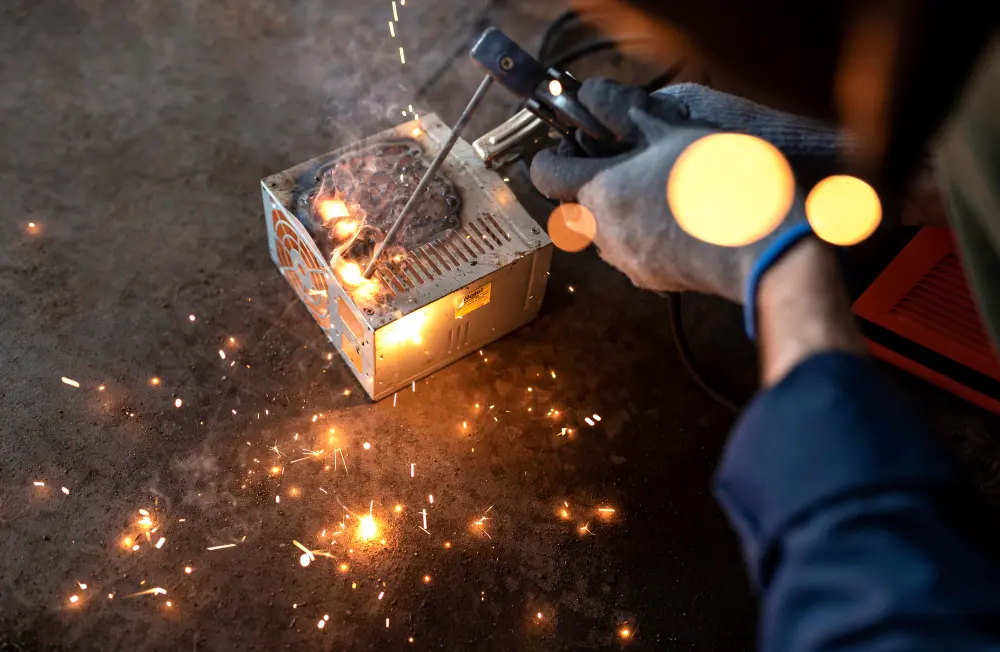
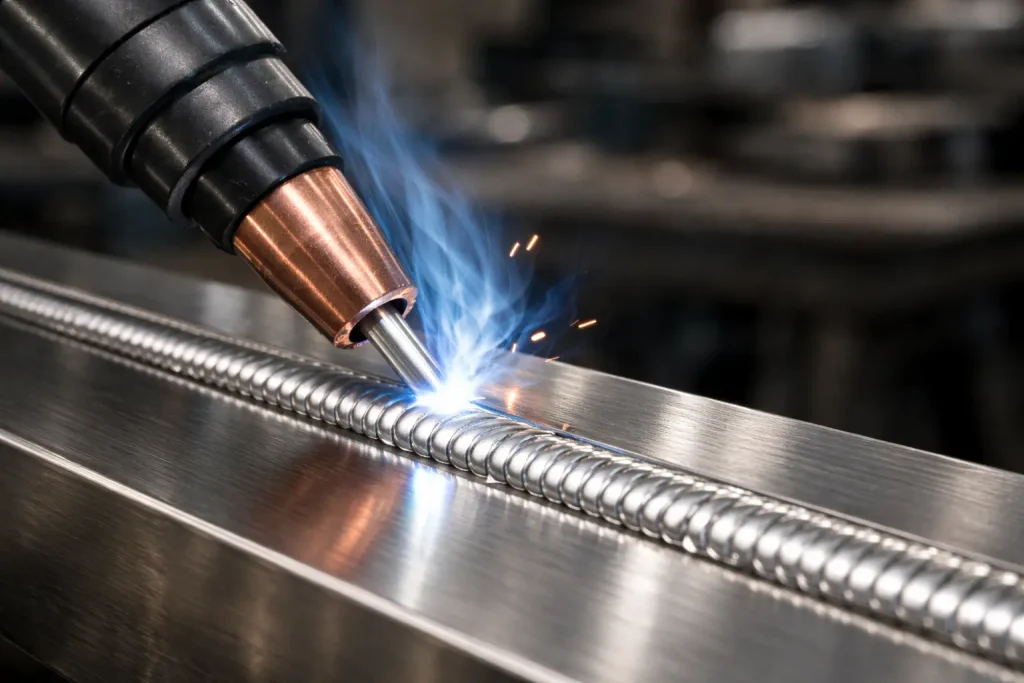
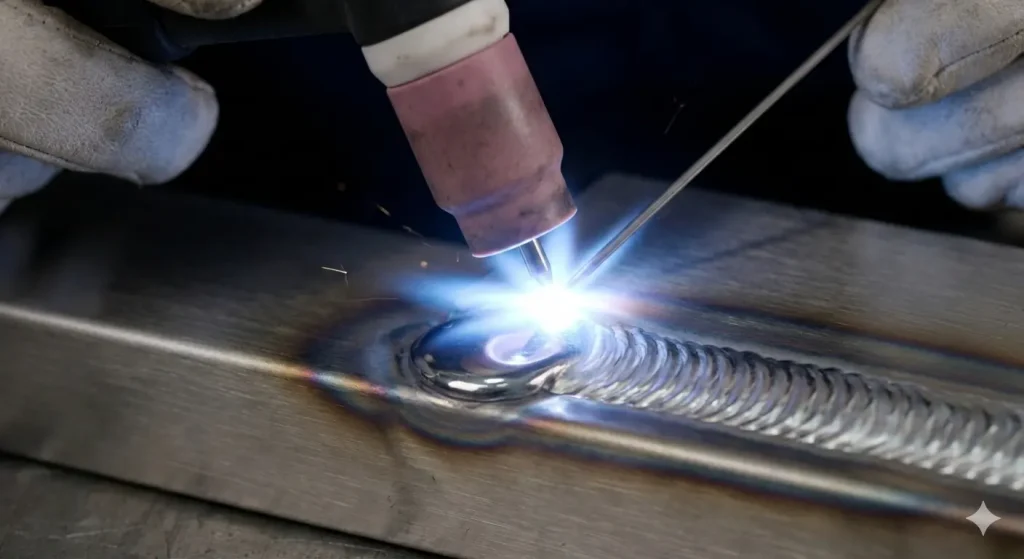
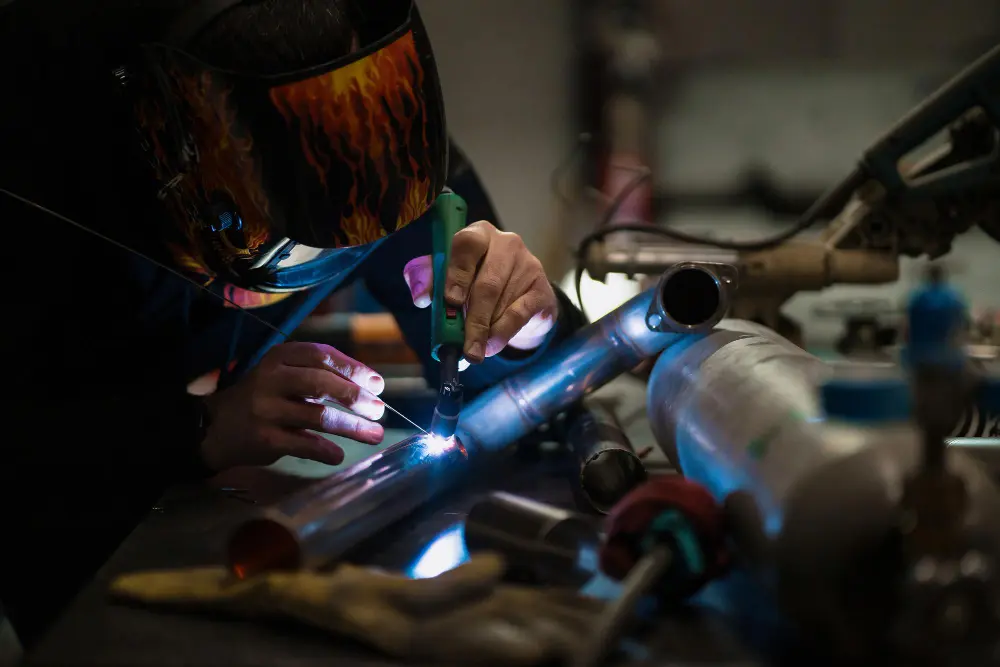
picture of welding rods

Types of Welding Rods: Features, Uses & How to Choose

Selecting the right welding rod is crucial for achieving high-quality welds in shielded metal arc welding (SMAW). With numerous types available, understanding their characteristics, applications, and selection criteria can make the difference between a successful project and costly rework. This comprehensive guide will help you navigate the world of welding rods and make informed decisions for your welding projects.

Understanding Welding Rod Structure

Before diving into the types, it’s essential to understand what makes welding rods effective. A welding rod consists of a steel core wire coated with flux, a specialized welding agent that makes welding more manageable and produces better results.

Without this flux coating, welding with just a bare steel rod would be extremely difficult, resulting in poor appearance and unreliable joints. The flux coating serves multiple purposes:

Creates a protective gas shield during welding
Produces slag that protects the cooling weld
Stabilizes the arc for consistent performance
Improves weld penetration and appearance

Different flux compositions create distinct welding characteristics, which is why various rod types exist for specific applications and materials.

Main Types of Welding Rods

1. Ilmenite-Based Rods (E4319)

Key Characteristics

  • Contains ~30% ilmenite
  • Strong, stable arc performance
  • Excellent penetration capabilities
  • Balanced weldability

Applications

  • General construction
  • Shipbuilding
  • Automotive manufacturing
  • Bridge construction

✓ Best For: Projects requiring reliable penetration across various welding positions. Popular in welding skill tests due to consistent performance.

⚠ Considerations: Higher hydrogen content makes them better suited for thin plates rather than thick sections.

2. Lime-Titania Rods (E4303)

Key Characteristics

  • ~30% titanium dioxide + ~20% lime
  • Moisture-resistant formulation
  • Excellent re-striking properties
  • Superior slag removal

Applications

  • Automotive components
  • Light structural frameworks
  • General construction
  • Concrete mesh work

✓ Best For: Vertical-up welding positions. Fine-pore structure makes these particularly suitable for positional welding.

⚠ Considerations: Shallower penetration may require additional quality testing in critical applications.

3. High Titanium Oxide Rods (E4313)

Key Characteristics

  • Contains ~35% titanium dioxide
  • Minimal spatter production
  • Easy slag removal
  • Bright, attractive welds

Applications

  • Decorative welding
  • Thin plate structures
  • Light vehicle manufacturing
  • Architectural applications

✓ Best For: Projects where visual appeal is paramount and structural strength requirements are moderate.

⚠ Considerations: Lower mechanical properties make these unsuitable for critical load-bearing applications.

4. Low Hydrogen Rods (E4316)

Key Characteristics

  • Calcium carbonate & fluoride
  • Minimal hydrogen content
  • Superior mechanical properties
  • Requires skill to use

Applications

  • Heavy-duty structural work
  • High-tensile steel
  • Pressure vessels & boilers
  • Critical infrastructure

✓ Best For: Applications requiring maximum strength and reliability, particularly with thick materials or constrained structures.

⚠ Considerations: Requires proper storage (>10cm from floors/walls) and pre-use drying at 300-400°C for 30-60 minutes. More challenging for beginners.


Selecting Rods by Base Material

Mild Steel

Low-Voltage Rods

  • Ideal for DIY projects
  • Multi-position capability

General Purpose Rods

  • Versatile for various thicknesses
  • Easy rewelding capability
  • Smooth bead formation

Stainless Steel

Same-Material Welding

Use JIS Z3221 ES308-16 standard rods when joining stainless steel components.

Dissimilar Material

Use JIS Z3221 ES309-16 standard rods when joining stainless to other metals.

Cast Iron

Casting Rods

  • High nickel content (~96%)
  • Specialized for repairs
  • Requires experienced operators

How to Choose the Right Welding Rod

1

Match the Base Material

The fundamental rule is simple: match your rod material to your base material. This ensures compatible metallurgy and optimal weld properties.

2

Select Appropriate Rod Diameter

Rod diameter must align with your welding machine’s current capacity and the base material thickness:

Rod Diameter Required Current Material Thickness
1.4mm 40A 1.2mm – 1.4mm
1.6mm 50A 1.4mm – 1.6mm
2.0mm 70A 1.6mm – 2.0mm
2.6mm 100A 2.2mm – 2.6mm
3.2mm 120A 2.8mm – 3.2mm
4.0mm 170A 3.2mm – 4.0mm

Formula: Rod Diameter (mm) × 50 – 30 = Required Current (A)

3

Consider Your Welding Conditions

Position

Some rods work better in specific positions (flat, vertical, overhead)

Environment

Moisture levels affect certain rod types

Appearance

Visual quality needs may dictate rod selection

Strength

Critical applications need appropriate mechanical properties

Essential Welding Rod Accessories

🔥

Rod Dryer

Removes harmful moisture that can cause welding defects.

Key Features:

  • Temperature range: 100-400°C
  • Timer function
  • Safety thermal fuses
📦

Storage Cases

Proper storage prevents degradation and maintains quality.

Prevents:

  • Moisture absorption
  • Physical damage
  • Contamination
🔧

Rod Holders

Quality holders ensure safe and effective welding operations.

Features:

  • Secure rod clamping
  • Heat-resistant construction
  • Ergonomic grip design

Industry Applications

In Indonesia’s growing industrial sector, welding quality directly impacts project success across multiple industries, from automotive manufacturing to infrastructure development.

The construction and automotive industries particularly benefit from proper rod selection, as these sectors demand both structural integrity and efficiency.

Quality Standards & Certifications

When selecting welding rods, always verify compliance with relevant standards:

🏅

JIS Standards

Japanese Industrial Standards

🌐

ISO Certifications

International Quality Standards

🇮🇩

SNI Standards

Indonesian National Standards

🏭

Industry-Specific

IATF, ABS, BKI Standards

Conclusion

Selecting the right welding rod involves understanding your specific application requirements, material compatibility, and operational constraints. Whether you’re working on critical infrastructure, automotive components, or general fabrication, the proper rod choice ensures reliable, high-quality results.

Remember that welding rod selection is just one part of the welding system. Quality base materials, proper equipment, skilled operators, and adherence to established procedures all contribute to successful welding outcomes.

For complex projects or specialized applications, consulting with experienced welding professionals and materials suppliers can help optimize your welding processes and ensure project success.

Want to know more about our products?

Explore the unique features and benefits of this product, designed to deliver exceptional performance and reliability. Unlock the potential it offers for your projects and see how it stands out in quality and value.